ui design
Improving UX Through Design System Governance
COMPANY
Thales
YEAR
2023
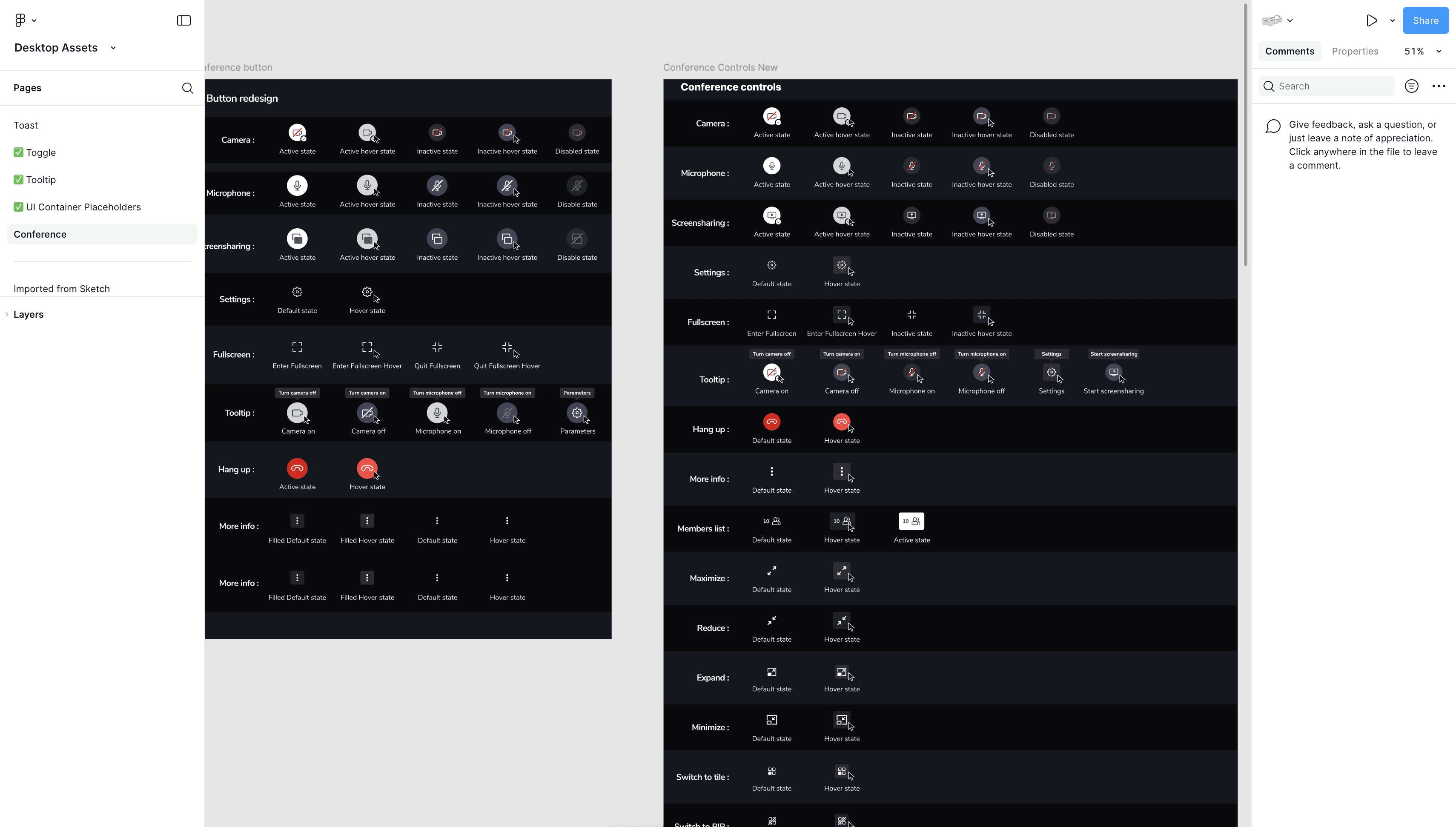
Due to the confidential nature of certain projects and use cases presented by Thales, additional details can only be shared with authorized stakeholders under confidentiality agreements. These restrictions are in place to protect sensitive data and comply with contractual commitments to our clients and partners.
I contributed to the documentation and evolution of the design system used by various teams across the organization. The goal was to improve consistency, usability, and collaboration between designers and developers, all while aligning with accessibility standards and internal design principles.
Timeline
From explorations to final design system in 3 months while working with multiple projects at the same time
Background
Thales teams were using a design system that lacked clear documentation and suffered from inconsistencies across platforms. Designers and developers often faced alignment issues due to missing usage guidelines, insufficient naming conventions, and fragmented component libraries. The existing system made onboarding difficult and slowed down product development.
To address the inconsistencies and usability issues within the existing design system, I focused on improving documentation quality, structuring component libraries, and facilitating collaboration across teams. My work included:
Audit of the existing Design System
Analyzed the Figma library and existing Zeroheight pages to identify inconsistencies, missing documentation, and improvement points.
Documentation of components
Documented a wide range of components such as buttons, alerts, inputs, and cards with:
• Use cases
• Behavior specs (hover, focus, disabled, etc.)
• Accessibility recommendations
• Dos and don’ts
Collaboration with developers & product teams
Worked closely with front-end developers to ensure technical feasibility and consistency with implementation. Maintained design specs in sync with dev handoffs.
Structuring the Zeroheight space
Improved navigation and structure of the design documentation space to make it more intuitive and usable for all teams.
Roadmap & prioritization
I helped prioritize the next steps for component creation and documentation updates based on internal interviews and team feedback.
I worked on auditing existing Figma components, defining naming standards, and documenting components directly in Figma and Zeroheight. The documentation included visual specs, dos and don’ts, accessibility criteria, and usage scenarios. I also contributed to organizing and prioritizing a roadmap for upcoming components based on team needs.
Clarity
A clean, consistent, and up-to-date design documentation space.
Standardization
Unified naming conventions across all components.
Accessibility
Improved visibility and usability for designers and developers.
Onboarding
A streamlined process for integrating new team members.
Manage design system
Today, the documentation is available on Zeroheight for designers and developers.
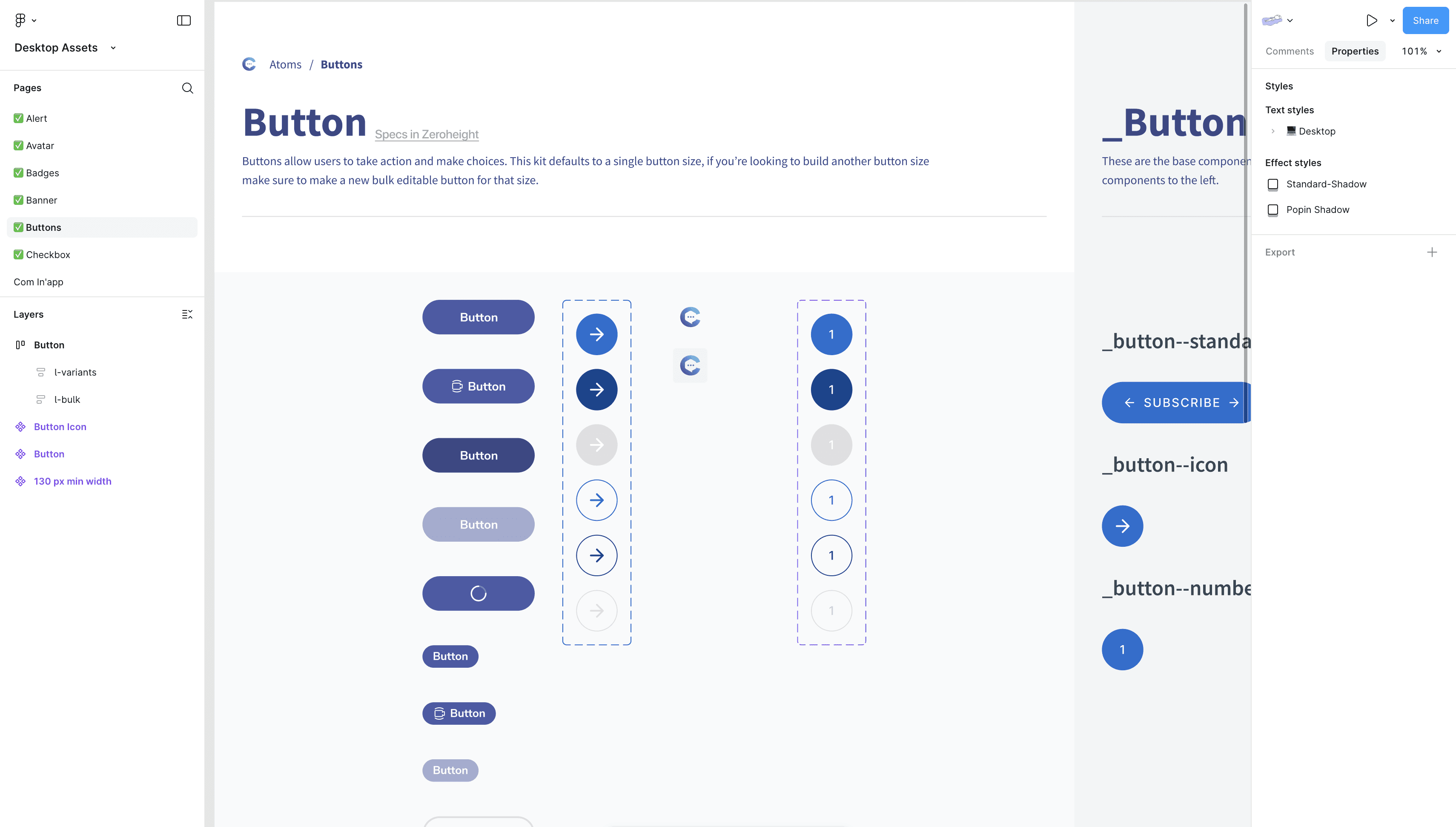
This mission reinforced the importance of clarity, alignment, and communication within design systems. I saw firsthand how impactful proper documentation can be on the overall product workflow — and how much smoother collaboration becomes when teams speak the same design language.
Here are the key outcomes and achievements of the project:
Increased Efficiency
Users report significant time savings and improved productivity through optimized scheduling recommendations.
Positive User Feedback
High user satisfaction ratings and positive reviews highlight the app's intuitive interface and powerful AI capabilities.
Growing User Base
The app quickly gained traction among individuals and businesses worldwide, with a steady increase in user adoption and engagement.